




Pronunciation in the PTE exam, especially in speaking section, plays a vital role; it can make or break your score. Sometimes, even after knowing the correct answer, students lose marks because of bad pronunciation. If you are also preparing for the PTE exam and dealing with “How to Pronounce Words in English,” then you need to bookmark this blog for your reference.
What Is Pronunciation in PTE?
Pronunciation in PTE refers to how you say an English word. While in real exam PTE checks:
- Are your vowel and consonant sounds clear?
- Are you using correct word stress?
- Do you speak smoothly and naturally?
Although you do not have to sound British or American, as your accent does not matter. But while giving a response, your voice should be easy to understand. Your response should be in such a way that a native English speaker can understand you without any effort. It will help in increasing your pronunciation score.
Pronunciation is checked in speaking tasks like:
- Read Aloud
- Repeat Sentence
- Describe Image
- Re-tell Lecture
- Answer Short Question
- Respond to a Situation
Tips To Enhance English Pronunciation For PTE Exam:
Practice For Improving Phonetics and the International Phonetic Alphabet (IPA):
- Understand how sounds of English words are represented in IPA, especially consonants and vowels.
Practice Word and Sentence Stress:
Try to stress the correct syllables in words and to sound natural, emphasize on keywords.
For example:
- “present” as a noun: PRE-sent
- “present” as a verb: pre-SENT
Incorrect stressing on syllables might change the meaning of the sentence.

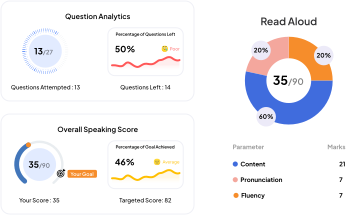
Get instant AI-powered analysis to track strengths, weaknesses & improve
- Personalized AI Insights – Understand your strengths & weaknesses instantly
- Smart Progress Tracking – Monitor improvement with in-depth analysis
- Boost Your Score Faster – Focus only where it matters most
Use the Shadowing Technique:
- Pay attention to the native English speakers and try to repeat what they say by copying their rhythm and intonation.
Record and Evaluate Yourself:
- One of the best ways to practice pronunciation is to record what you are speaking and identify areas for improvement.
Work on Difficult English Sounds:
- Practice commonly mispronounced sounds like /θ/ vs. /ð/, /v/ vs. /w/, and /r/ vs. /l/ to improve accuracy.
Read Aloud Regularly:
- Try to read texts aloud daily and focus on pausing, tone, and pronunciation of words.
Speak Slowly and Clearly:
- Avoid speaking too fast. Maintain a controlled pace and focus on clarity and precision in speech.
Here is a list of 100+ commonly used academic words in the PTE exam with a pronunciation guide. You can also refer to this list as a pronunciation dictionary to score high.
Nouns
| Word | IPA Pronunciation | Phonetic Hint |
| Observation | /ˌɒbzəˈveɪʃən/ | OB-zuh-VAY-shun |
| Illustration | /ˌɪləˈstreɪʃən/ | il-uh-STRAY-shun |
| Statistics | /stəˈtɪstɪks/ | stuh-TIS-tiks |
| Diagram | /ˈdaɪəɡræm/ | DYE-uh-gram |
| Development | /dɪˈveləpmənt/ | dih-VEL-up-ment |
| Pattern | /ˈpætən/ | PAT-urn |
| Variable | /ˈveəriəbl/ | VAIR-ee-uh-buhl |
| Knowledge | /ˈnɒlɪdʒ/ | NOL-ij |
| Principle | /ˈprɪnsəpl/ | PRIN-suh-pul |
| Hypothesis | /haɪˈpɒθəsɪs/ | hy-POTH-uh-sis |
| Conclusion | /kənˈkluːʒən/ | kun-KLOO-zhun |
| Assessment | /əˈsesmənt/ | uh-SESS-ment |
| Curriculum | /kəˈrɪkjələm/ | kuh-RIK-yuh-luhm |
| Phenomenon | /fəˈnɒmɪnən/ | fuh-NOM-ih-non |
| Citizenship | /ˈsɪtɪzənʃɪp/ | SIT-ih-zuhn-ship |
| Equilibrium | /ˌiːkwɪˈlɪbrɪəm/ | ee-kwi-LIB-ree-um |
| Consortium | /kənˈsɔːtiəm/ | kun-SOR-tee-um |
| Demographics | /ˌdeməˈɡræfɪks/ | DEM-uh-GRAF-iks |
| Accreditation | /əˌkredɪˈteɪʃən/ | uh-KRED-ih-TAY-shun |
| Jurisdiction | /ˌdʒʊərɪsˈdɪkʃən/ | JUR-is-DIK-shun |
Verbs:
| Word | IPA Pronunciation | Phonetic Hint |
| Accumulate | /əˈkjuːmjəleɪt/ | uh-KYOO-myuh-layt |
| Alleviate | /əˈliːvieɪt/ | uh-LEE-vee-ate |
| Anticipate | /ænˈtɪsɪpeɪt/ | an-TIS-uh-pate |
| Comprehend | /ˌkɒmprɪˈhend/ | kom-pri-HEND |
| Constitute | /ˈkɒnstɪtjuːt/ | KON-sti-tyoot |
| Correlate | /ˈkɒrəleɪt/ | KOR-uh-layt |
| Deduce | /dɪˈdjuːs/ | dih-DYOOS |
| Deviate | /ˈdiːvieɪt/ | DEE-vee-ate |
| Disseminate | /dɪˈsemɪneɪt/ | dih-SEM-uh-nate |
| Emphasize | /ˈemfəsaɪz/ | EM-fuh-size |
| Facilitate | /fəˈsɪlɪteɪt/ | fuh-SIL-ih-tate |
| Hypothesize | /haɪˈpɒθəsaɪz/ | hy-POTH-uh-size |
| Illustrate | /ˈɪləstreɪt/ | ILL-uh-strate |
| Incorporate | /ɪnˈkɔːpəreɪt/ | in-KOR-puh-rate |
| Manipulate | /məˈnɪpjʊleɪt/ | muh-NIP-yuh-late |
| Mitigate | /ˈmɪtɪɡeɪt/ | MIT-ih-gate |
| Navigate | /ˈnævɪɡeɪt/ | NAV-ih-gate |
| Optimize | /ˈɒptɪmaɪz/ | OP-tih-mize |
| Perceive | /pəˈsiːv/ | pur-SEEV |
| Presume | /prɪˈzjuːm/ | prih-ZYOOM |
| Procrastinate | /prəˈkræstɪneɪt/ | pro-KRAS-tih-nate |
| Reiterate | /riˈɪtəreɪt/ | ree-IT-uh-rate |
| Restructure | /ˌriːˈstrʌktʃə/ | ree-STRUHK-chur |
| Substantiate | /səbˈstænʃieɪt/ | sub-STAN-shee-ate |
| Transform | /trænsˈfɔːm/ | trans-FORM |
| Undermine | /ˌʌndəˈmaɪn/ | UN-der-mine |
| Visualize | /ˈvɪʒuəlaɪz/ | VIZH-oo-uh-lize |
| Differentiate | /ˌdɪfəˈrenʃieɪt/ | DIF-uh-REN-shee-ate |
| Contribute | /kənˈtrɪbjuːt/ | kun-TRIB-yoot |
Adjectives
| Word | IPA Pronunciation | Phonetic Hint |
| Abundant | /əˈbʌndənt/ | uh-BUN-dunt |
| Ambiguous | /æmˈbɪɡjuəs/ | am-BIG-yoo-us |
| Analogous | /əˈnæləɡəs/ | uh-NAL-uh-gus |
| Anomalous | /əˈnɒmələs/ | uh-NOM-uh-lus |
| Arbitrary | /ˈɑːbɪtrəri/ | AR-bih-truh-ree |
| Contemporary | /kənˈtemprəri/ | kun-TEM-pruh-ree |
| Consecutive | /kənˈsekjʊtɪv/ | kun-SEK-yuh-tiv |
| Contradictory | /ˌkɒntrəˈdɪktəri/ | KON-truh-DIK-tuh-ree |
| Cumulative | /ˈkjuːmjʊlətɪv/ | KYOO-myuh-luh-tiv |
| Deficient | /dɪˈfɪʃənt/ | dih-FISH-uhnt |
| Deliberate | /dɪˈlɪbərət/ | dih-LIB-er-it |
| Derivative | /dɪˈrɪvətɪv/ | dih-RIV-uh-tiv |
| Discreet | /dɪˈskriːt/ | dih-SKREET |
| Disparate | /ˈdɪspərət/ | DIS-puh-ruht |
| Empirical | /ɪmˈpɪrɪkəl/ | em-PIH-rih-kuhl |
| Erroneous | /ɪˈrəʊniəs/ | ih-ROH-nee-us |
| Exhaustive | /ɪɡˈzɔːstɪv/ | ig-ZAWS-tiv |
| Hypothetical | /ˌhaɪpəˈθetɪkəl/ | hy-puh-THET-ih-kuhl |
| Implicit | /ɪmˈplɪsɪt/ | im-PLIS-it |
| Incidental | /ˌɪnsɪˈdentl/ | in-sih-DEN-tuhl |
| Incompatible | /ˌɪnkəmˈpætəbl/ | in-kuhm-PAT-uh-buhl |
| Inadequate | /ɪnˈædɪkwət/ | in-AD-ih-kwut |
| Indispensable | /ˌɪndɪˈspensəbl/ | in-dih-SPEN-suh-buhl |
| Inevitable | /ɪnˈevɪtəbl/ | in-EV-ih-tuh-buhl |
| Marginal | /ˈmɑːdʒɪnəl/ | MAR-jin-uhl |
| Plausible | /ˈplɔːzəbl/ | PLAW-zuh-buhl |
| Preliminary | /prɪˈlɪmɪnəri/ | pri-LIM-uh-nair-ee |
| Quantitative | /ˈkwɒntɪtətɪv/ | KWON-tih-tuh-tiv |
| Sophisticated | /səˈfɪstɪkeɪtɪd/ | suh-FIS-tih-kay-tid |
| Tentative | /ˈtentətɪv/ | TEN-tuh-tiv |

Adverbs
| Word | IPA Pronunciation | Phonetic Hint |
| Accordingly | /əˈkɔːdɪŋli/ | uh-KOR-ding-lee |
| Additionally | /əˈdɪʃənəli/ | uh-DISH-uhn-uh-lee |
| Allegedly | /əˈledʒɪdli/ | uh-LEJ-id-lee |
| Approximately | /əˈprɒksɪmətli/ | uh-PROK-sih-muht-lee |
| Comparatively | /kəmˈpærətɪvli/ | kum-PAIR-uh-tiv-lee |
| Consequently | /ˈkɒnsɪkwəntli/ | KON-si-kwent-lee |
| Consistently | /kənˈsɪstəntli/ | kun-SIS-tuhnt-lee |
| Conventionally | /kənˈvenʃənəli/ | kun-VEN-shun-uh-lee |
| Critically | /ˈkrɪtɪkli/ | KRIT-ik-lee |
| Cumulatively | /ˈkjuːmjʊlətɪvli/ | KYOO-myuh-luh-tiv-lee |
| Deliberately | /dɪˈlɪbərətli/ | dih-LIB-er-uht-lee |
| Empirically | /ɪmˈpɪrɪkli/ | em-PIH-rik-lee |
| Essentially | /ɪˈsenʃəli/ | ih-SEN-shuh-lee |
| Exclusively | /ɪkˈskluːsɪvli/ | ik-SKLOO-siv-lee |
| Explicitly | /ɪkˈsplɪsɪtli/ | ik-SPLIS-it-lee |
| Fundamentally | /ˌfʌndəˈmentəli/ | fun-duh-MEN-tuh-lee |
| Generally | /ˈdʒenrəli/ | JEN-ruh-lee |
| Gradually | /ˈɡrædʒuəli/ | GRAJ-oo-uh-lee |
| Hypothetically | /ˌhaɪpəˈθetɪkli/ | hy-puh-THET-ik-lee |
| Implicitly | /ɪmˈplɪsɪtli/ | im-PLIS-it-lee |
| Incidentally | /ˌɪnsɪˈdentli/ | in-sih-DENT-lee |
| Inevitably | /ɪnˈevɪtəbli/ | in-EV-ih-tuh-blee |
| Initially | /ɪˈnɪʃəli/ | ih-NISH-uh-lee |
| Marginally | /ˈmɑːdʒɪnəli/ | MAR-jin-uh-lee |
| Objectively | /əbˈdʒektɪvli/ | ub-JEK-tiv-lee |
| Predominantly | /prɪˈdɒmɪnəntli/ | pree-DOM-ih-nuhnt-lee |
| Presumably | /prɪˈzjuːməbli/ | pri-ZYOO-muh-blee |
| Proportionally | /prəˈpɔːʃənəli/ | pruh-POUR-shuhn-uh-lee |
| Subsequently | /ˈsʌbsɪkwəntli/ | SUB-si-kwent-lee |
| Theoretically | /ˌθɪəˈretɪkli/ | thee-uh-RET-ik-lee |
Linking/Transition Words
| Word | IPA Pronunciation | Phonetic Hint |
| Nevertheless | /ˌnevəðəˈles/ | nev-uh-thuh-LESS |
| Consequently | /ˈkɒnsɪkwəntli/ | KON-si-kwent-lee |
| Furthermore | /ˌfɜːðəˈmɔː/ | FUR-thuh-more |
| Nonetheless | /ˌnʌnðəˈles/ | nun-thuh-LESS |
| Subsequently | /ˈsʌbsɪkwəntli/ | SUB-si-kwent-lee |
| In contrast | /ɪn ˈkɒntrɑːst/ | in KON-trast |
| On the contrary | /ɒn ðə ˈkɒntrəri/ | on the KON-truh-ree |
| Albeit | /ˌɔːlˈbiːɪt/ | awl-BEE-it |
| In light of | /ɪn ˈlaɪt əv/ | in LYTE uhv |
| In spite of | /ɪn ˈspaɪt əv/ | in SPYTE uhv |
| With regard to | /wɪð rɪˈɡɑːd tuː/ | with ri-GAARD too |
| In accordance with | /ɪn əˈkɔːdəns wɪð/ | in uh-KOR-duns with |
| Inasmuch as | /ˌɪnəzˈmʌtʃ æz/ | in-uz-MUCH az |
| Notwithstanding | /ˌnɒtwɪðˈstændɪŋ/ | not-with-STAN-ding |
| As a consequence | /æz ə ˈkɒnsɪkwəns/ | az uh KON-si-kwens |
| On the whole | /ɒn ðə həʊl/ | on the HOHL |
| For the most part | /fɔː ðə məʊst pɑːt/ | for the MOHST part |
| By the same token | /baɪ ðə seɪm ˈtəʊkən/ | by the SAYM TOH-kuhn |
| For instance | /fə ˈɪnstəns/ | fur IN-stuns |
| To illustrate | /tuː ˈɪləstreɪt/ | too ILL-uh-strayt |
| That is to say | /ðæt ɪz tuː seɪ/ | that iz too say |
| In other words | /ɪn ˈʌðə wɜːdz/ | in UTH-uh words |
| Be that as it may | /biː ðæt æz ɪt meɪ/ | bee that az it MAY |
| Provided that | /prəˈvaɪdɪd ðæt/ | pruh-VY-did that |
| In effect | /ɪn ɪˈfekt/ | in ih-FEKT |
| On condition that | /ɒn kənˈdɪʃən ðæt/ | on kun-DISH-un that |
| To put it simply | /tuː pʊt ɪt ˈsɪmpli/ | too put it SIM-plee |
| As a matter of fact | /əz ə ˈmætə əv fækt/ | az uh MAT-uh-ruv fakt |
| In summary | /ɪn ˈsʌməri/ | in SUM-uh-ree |
| As a result | /æz ə rɪˈzʌlt/ | az uh ri-ZULT |
Score-Based Pronunciation Tips
Score Range: Below 50
Common Traits:
- Not able to understand what you are speaking
- Many sounds are not clear or said incorrectly.
- You may speak slowly or stop often.
- Your accent might make words sound different from how they should.
How to Improve:
- Practice saying simple English words clearly and slowly.
- Watch YouTube videos or apps to listen to the audio, and after that, repeat how native speakers say.
- While practicing, record your voice and check where you are wrong compared to the original audio.
- Understand how to stress the right syllables in words. For example, education or development.
- Speak English daily for 15 to 20 minutes.
Score Range: 50 to 59
Common Traits:
- Your speech might be clear, but still some of the words do not sound proper.
- To understand what you are saying, listeners have to concentrate.
- The rhythm of your sentence might sound unnatural.
How to Improve:
- For improving pronunciation, try to copy the tone, speed, and flow of native English speakers.
- For training your brain and reducing hesitation practice with tongue twisters and improve sound clarity.
- Daily read long or short paragraph loudly.
- You can watch English shows or movies and repeat short sentences with correct stress and emotion.
Score Range: 60 to 69
Common Traits:
- Your pronunciation is quite good. Most of your speech is easy to understand.
- You still make small mistakes with stress or sound blending.
- You might be sounding a bit robotic or unnatural.
How to Improve:
- Focus on sounding more natural, like you’re having a real conversation.
- Use connected speech: instead of saying “go to it,” say “go-tuit.”
- Practice longer responses with emotions, not just plain reading.
- Try a PTE academic mock test and speak within time limits to get used to real test conditions.
Score Range: 70+
Common Traits:
- You speak clearly, naturally, and with confidence.
- All sounds are pronounced correctly.
- Your speech sounds smooth, like a native or near-native speaker.
- Your English is well understood by the listener.
How to be consistent:
- Keep practicing with Gurully’s PTE questions or fluent English conversations.
- Focus on expressiveness, use the right pitch and pause naturally.
- Stay consistent, regular practice will keep your skills sharp.
- Try peer practice or speak with fluent friends for natural interaction.
Prepare thoroughly for the entire PTE Speaking section with Gurully’s section-wise practice tests. Our platform also offers full-length mock tests with instant AI scoring for a real-time exam experience. The realistic test environment helps you understand the exam format and boosts your confidence for the actual test. Take advantage of one free PTE mock test to assess your preparation.
For more tips and strategies, subscribe to our YouTube channel.
Conclusion:
Understanding the importance of pronunciation is very important for scoring high in the PTE speaking section. With AI-driven evaluation, even minor mispronunciations can lead to lower marks, regardless of your fluency or grammar. In this blog, you will find 100+ frequently used academic words, complete with IPA transcriptions and phonetic hints. You can practice on Gurully to boost your scores and improve faster.
FAQ:
How to improve pronunciation for PTE?
How is pronunciation scored in PTE?
Does my accent affect my PTE pronunciation score?
Also Read:
- PTE Academic Describe Image: Tips, Types, and Sample Question with Answers
- Gurully – Your All-In-One Solution For English Language Proficiency Exams
- Respond to a Situation PTE Template & Scoring Tips
Free PTE Practice Test